12 Hidden Gems Along Ireland’s Wild Atlantic Way
Escape the Crowds and Discover Ireland’s Best-Kept Secrets
12 Hidden Gems Along Ireland’s Wild Atlantic Way
The Wild Atlantic Way stretches for more than 2,500km along Ireland’s rugged western coastline, linking dramatic cliffs, colourful villages, ancient ruins and some of Europe’s most spectacular coastal scenery. While world-famous attractions such as the Cliffs of Moher, the Ring of Kerry and the Dingle Peninsula deserve their reputation, some of the route’s greatest rewards lie beyond the busiest tourist stops.
Venture a little further, and you’ll discover secluded beaches, peaceful islands, dramatic mountain passes and charming villages where life moves at its own pace. These places offer the chance to experience Ireland’s Atlantic coast in a quieter, more authentic way.
Whether you’re planning an epic road trip or simply looking to add a few lesser-known stops to your itinerary, these hidden gems reveal another side of the Wild Atlantic Way—one filled with unforgettable scenery, rich heritage and genuine local character.
Quick Facts
| Best Time to Visit | May to September |
| Ideal Trip Length | 7–14 days |
| Route Length | Approximately 2,500km |
| Best For | Road trips, photography, walking, nature, history |
| Suitable For | Couples, families, solo travellers and campervan adventures |
1. Slieve League Cliffs, County Donegal
Panoramic view from Slieve League Cliffs]
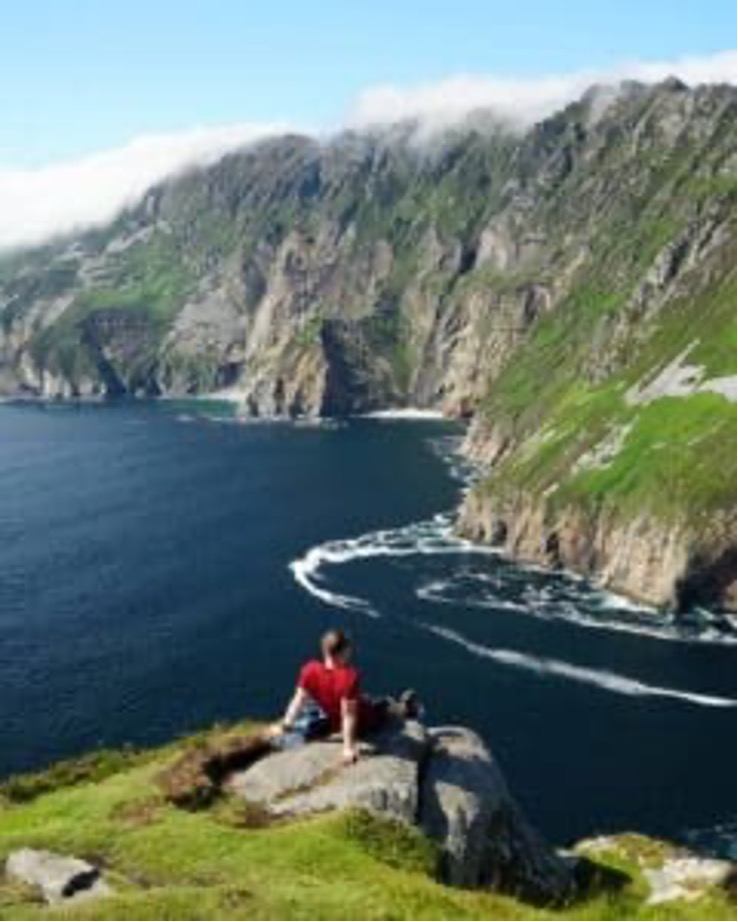
Towering almost 600 metres above the Atlantic Ocean, Slieve League Cliffs are among the highest accessible sea cliffs in Europe. While they have become increasingly popular in recent years, they remain far quieter than many of Ireland’s headline attractions, allowing visitors to appreciate their scale without the crowds often found elsewhere.
Standing at the cliff edge, the views stretch across Donegal Bay towards Sligo and, on clear days, as far as the mountains beyond. The Atlantic crashes relentlessly against the rocks below, creating one of the most dramatic coastal landscapes on the island.
Confident walkers can continue along the famous One Man’s Pass, a narrow ridge offering spectacular panoramic views, while those looking for a gentler experience can simply enjoy the scenery from the main viewing area.
Go Wild Tip: Visit early in the morning or late afternoon when the changing light transforms the cliffs into one of Ireland’s finest photography locations.
2. Knockanroe Forest Park, County Clare
Tucked away within the Burren region, Knockanroe Forest Recreation Area offers a quieter way to experience one of Ireland’s most fascinating landscapes.
Unlike the more heavily visited sections of the Burren National Park, Knockanroe combines peaceful woodland walks with panoramic viewpoints overlooking the famous limestone pavement. Along the trails, visitors encounter native woodland, rare wildflowers and an ever-changing landscape shaped over millions of years.
It’s an ideal stop for travellers looking to slow down and experience the quieter side of County Clare, particularly during spring and early summer when the Burren’s remarkable mix of alpine and Mediterranean plant species comes into bloom.
Go Wild Tip: Bring sturdy footwear, as some woodland paths can become uneven after heavy rain.
3. Mullaghmore, County Sligo
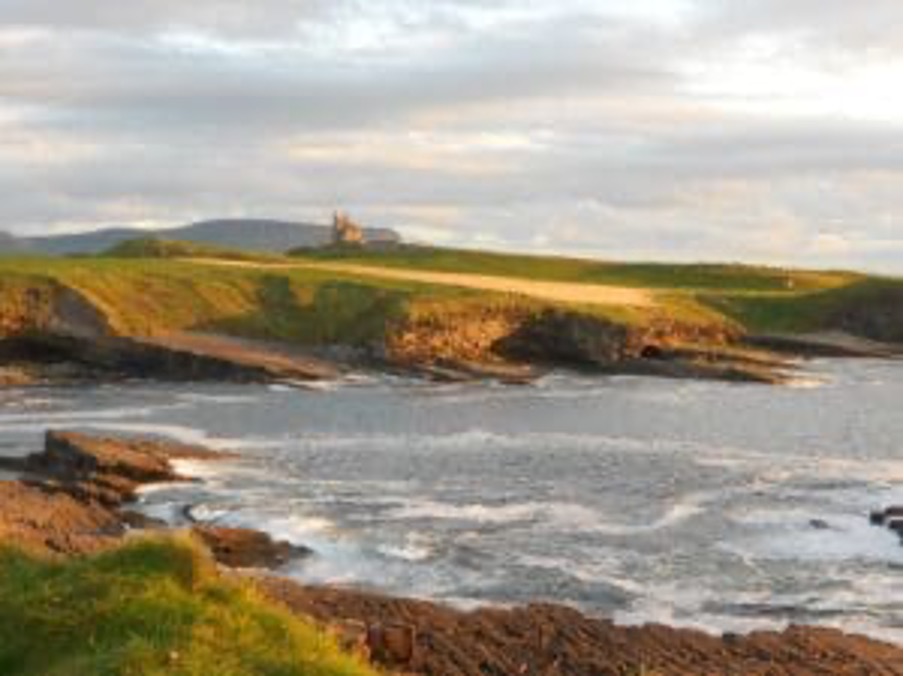
Nestled on a small peninsula overlooking the Atlantic, Mullaghmore is one of County Sligo’s most picturesque seaside villages.
While surfers know it for its world-famous winter waves, there’s far more to Mullaghmore than extreme sports. A leisurely walk around the headland reveals breathtaking coastal scenery, while nearby Classiebawn Castle, framed by the distinctive silhouette of Benbulben, provides one of Ireland’s most iconic photo opportunities.
The village itself retains a relaxed atmosphere, with cafés, seafood restaurants and a sheltered harbour making it an excellent place to pause during a Wild Atlantic Way road trip.
If conditions allow, take the short coastal loop walk for uninterrupted ocean views and a chance to appreciate the raw beauty that defines Ireland’s northwest coast.
Go Wild Tip: Even if you don’t surf, winter storms attract spectators hoping to witness some of Europe’s biggest Atlantic waves.
4. Inishbofin Island, County Galway
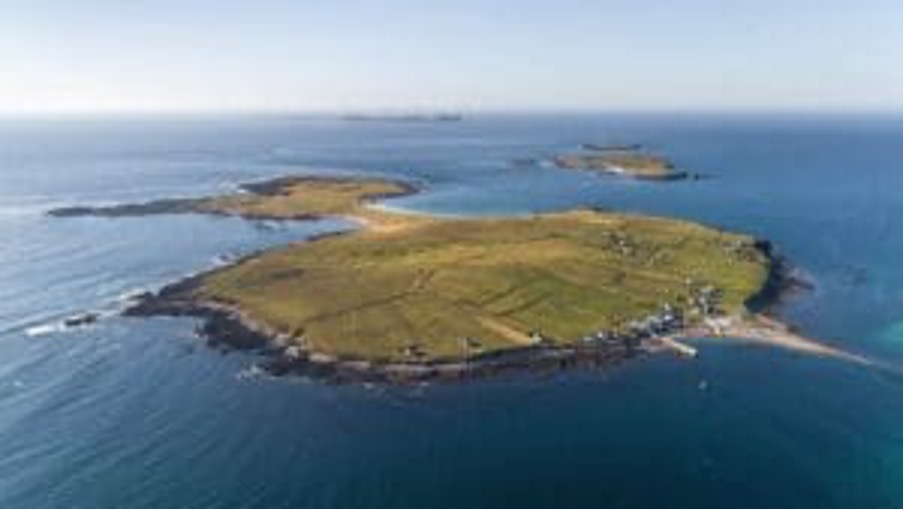
A short ferry journey from Cleggan brings visitors to Inishbofin, a peaceful Atlantic island where traditional Irish island life continues much as it has for generations.
Quiet roads, white-sand beaches and dramatic sea cliffs create the perfect setting for walkers and cyclists, while the island’s rich history is reflected in its ancient ring forts, medieval church ruins and the remains of Cromwell’s barracks.
Wildlife enthusiasts are equally well catered for, with seabirds, grey seals and, on occasion, dolphins making regular appearances around the island’s coastline.
Despite its growing reputation among those in the know, Inishbofin remains wonderfully unhurried. It’s a place where visitors are encouraged to slow down, enjoy the scenery and embrace island life.
Go Wild Tip: Stay overnight if you can. Once the last ferry departs, the island becomes wonderfully peaceful and sunset over the Atlantic is an unforgettable experience.
·
- 5. Discover the Quiet Side of the Burren, County Clare
- The Burren is one of Ireland’s best-known landscapes, yet many visitors never venture beyond its most popular viewpoints. Slow down and you’ll uncover a quieter side to this remarkable region, where ancient stone forts, peaceful walking trails and hidden gardens reveal a landscape unlike anywhere else in Europe.
- Start with Caherconnell Stone Fort, a remarkably preserved medieval ringfort where seasonal sheepdog demonstrations offer a fascinating insight into traditional farming life. A short drive away, the Burren Perfumery provides a completely different experience. Surrounded by wildflowers and limestone hills, visitors can wander through fragrant gardens before enjoying homemade cakes and locally roasted coffee in the tearoom.
- Spring and early summer are particularly magical, when rare orchids and alpine flowers bloom among the limestone pavement, creating one of Ireland’s most extraordinary natural displays.
- Go Wild Tip: The Burren rewards unhurried exploration. Leave the main road behind and follow the quieter back roads to discover hidden viewpoints and ancient monuments with barely another visitor in sight.
·
- 6. Drive the Spectacular Beara Peninsula, County Cork
- Often overshadowed by its famous neighbour, the Ring of Kerry, the Beara Peninsula remains one of Ireland’s most rewarding road trips.
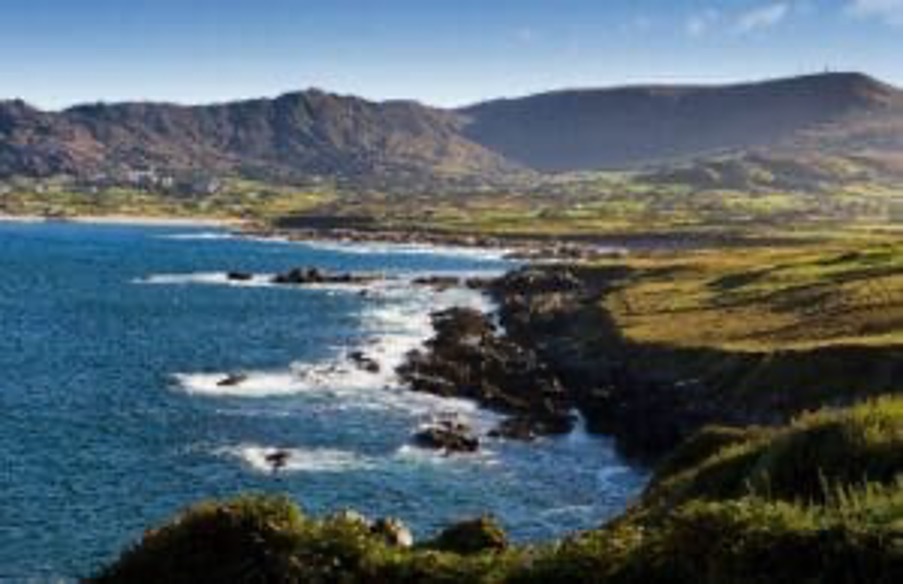
- Stretching between Bantry Bay and Kenmare Bay, this rugged peninsula offers everything travellers love about Ireland’s southwest—without the heavy traffic. Colourful villages, winding mountain roads and dramatic Atlantic views create a journey that feels refreshingly authentic.
- The highlight for many is Healy Pass, a twisting mountain road that snakes through the Caha Mountains. Every bend reveals another unforgettable panorama, making it one of Ireland’s finest scenic drives.
- Don’t miss the vibrant village of Eyeries, famous for its brightly painted houses overlooking Coulagh Bay, or the charming harbour town of Castletownbere, one of Ireland’s busiest fishing ports and an excellent place to sample fresh Atlantic seafood.
- Go Wild Tip: Allow a full day to explore Beara. Frequent stops are inevitable, and that’s part of its charm.
·
- 7. Enjoy a Walk Along Inch Strand, County Kerry
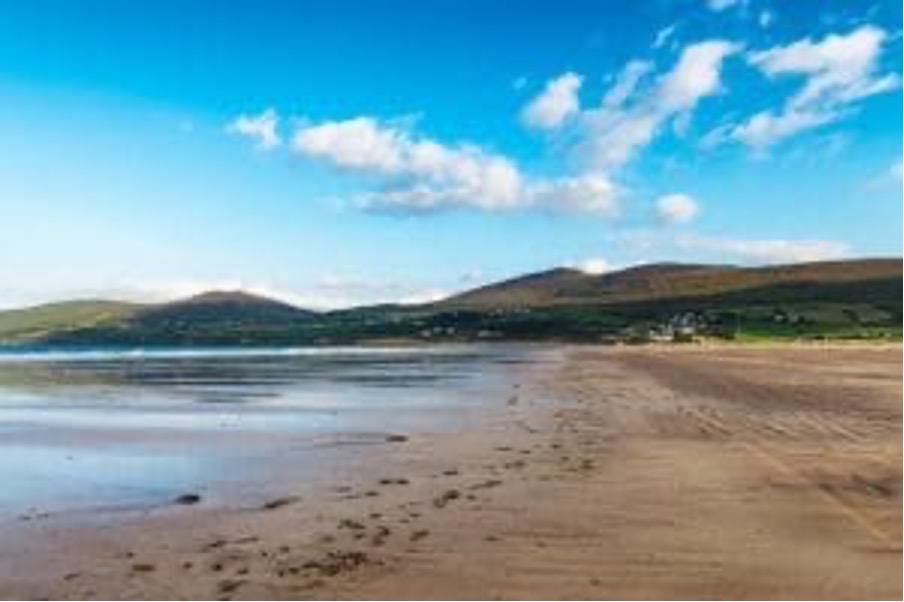
- Golden sand stretches for almost five kilometres at Inch Strand, one of County Kerry’s most beautiful beaches.
- Despite its appearance in several films and television productions, Inch somehow manages to retain a wonderfully relaxed atmosphere. The wide beach offers plenty of space for walkers, families and surfers alike, while spectacular views stretch across Dingle Bay towards the Slieve Mish Mountains.
- On calm days, the beach is perfect for a leisurely stroll, while experienced surfers take advantage of the Atlantic swells throughout much of the year. Even if you simply stop for a coffee overlooking the sea, Inch is one of those places where it’s easy to lose track of time.
- As the tide retreats, the vast expanse of sand becomes one of the most photogenic coastal landscapes on the Dingle Peninsula.
- Go Wild Tip: Visit around sunset when the evening light reflects across the wet sand, creating superb photography opportunities.
·
- 8. Visit Keem Bay, Achill Island, County Mayo
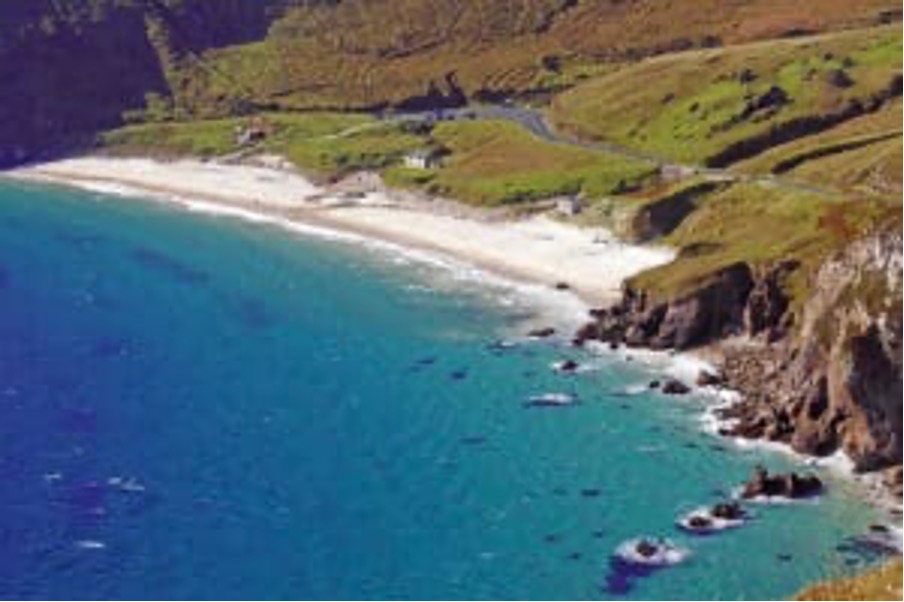
- Hidden at the western edge of Achill Island, Keem Bay is one of those places that instantly explains why Ireland’s Atlantic coastline is admired around the world.
- Reached via a winding mountain road with breathtaking viewpoints at every turn, the horseshoe-shaped bay is surrounded by steep green hills that shelter its white sandy beach and crystal-clear waters.
- Although Keem has become increasingly popular thanks to social media and television features, arriving early or visiting outside peak summer months still offers moments of remarkable tranquillity.
- The surrounding cliffs are criss-crossed with walking trails that reveal dramatic coastal scenery, while the waters below were once home to one of Europe’s last basking shark fisheries. Today, they’re better known for swimming, kayaking and simply admiring the extraordinary setting.
- Go Wild Tip: Arrive before 10 am during summer to enjoy the bay before it becomes busier. The drive itself is one of the highlights of any visit to Achill.
- Road Trip Suggestion
- By this stage of your Wild Atlantic Way journey, you’ve travelled from the dramatic cliffs of Donegal through Sligo and Galway before reaching the limestone landscapes of Clare and the spectacular coastline of Cork, Kerry and Mayo.
- Rather than rushing between destinations, consider spending two or three nights in each region.
- You’ll have time to discover hidden cafés, coastal walks and local attractions that rarely appear in guidebooks but often become the most memorable parts of the journey.
9. Follow the Atlantic Drive Around the Rosguill Peninsula, County Donegal
If you’re searching for one of Donegal’s most rewarding coastal drives, the Rosguill Peninsula deserves a place on your itinerary. Less travelled than many sections of the Wild Atlantic Way, it offers a spectacular blend of golden beaches, rugged cliffs and peaceful country roads.
The highlight is the Atlantic Drive, a circular route that reveals breathtaking views over Sheephaven Bay, Mulroy Bay and the Atlantic Ocean. Along the way, you’ll pass quiet coves, secluded beaches and dramatic viewpoints where it’s easy to pause and simply enjoy the scenery.
Nearby Tra na Rossan Beach is often overlooked despite its soft sands and crystal-clear waters, while walkers will find plenty of coastal paths that showcase the peninsula’s wild beauty.
Go Wild Tip: Pack a picnic and take your time. The Rosguill Peninsula is best experienced slowly, with plenty of stops to soak up the views.
10. Cross to Dursey Island by Ireland’s Only Cable Car, County Cork
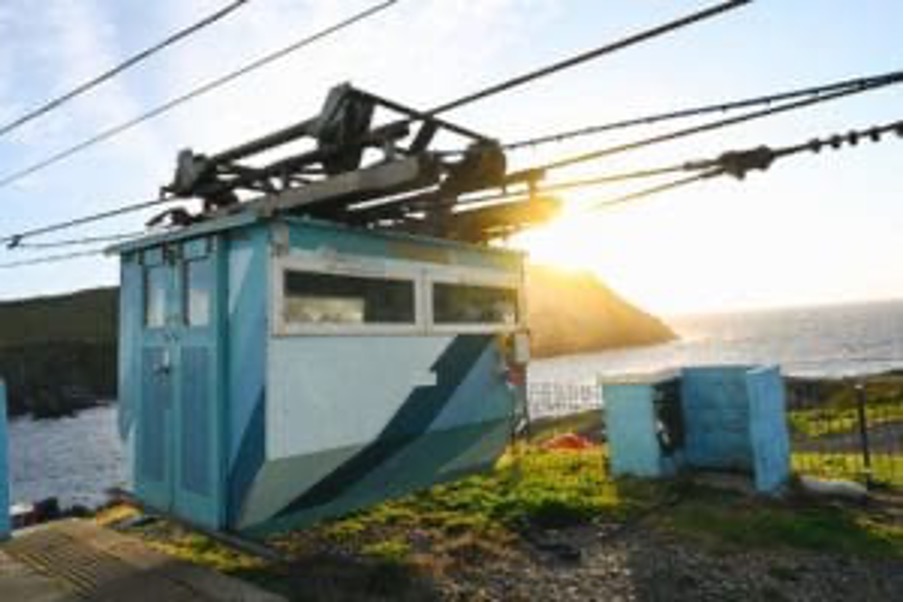
At the southwestern tip of the Beara Peninsula lies one of Ireland’s most unusual journeys. The Dursey Island Cable Car—the country’s only cable car—carries passengers across the narrow Dursey Sound to an island where nature takes centre stage.
With just a handful of permanent residents, Dursey Island feels wonderfully remote. Quiet lanes, rugged cliffs and uninterrupted Atlantic views make it a paradise for walkers, birdwatchers and anyone looking to escape the pace of modern life.
The island is also part of an important migratory route, attracting birdwatchers from across Europe in spring and autumn. Keep an eye out for seabirds, birds of prey and, if you’re lucky, dolphins or seals offshore.
Go Wild Tip: Check the cable car timetable before travelling, as weather conditions can affect operating times.
11. Relax at Silver Strand, Malin Beg, County Donegal
Hidden beneath towering cliffs near the village of Malin Beg, Silver Strand is one of Ireland’s most breathtaking beaches.
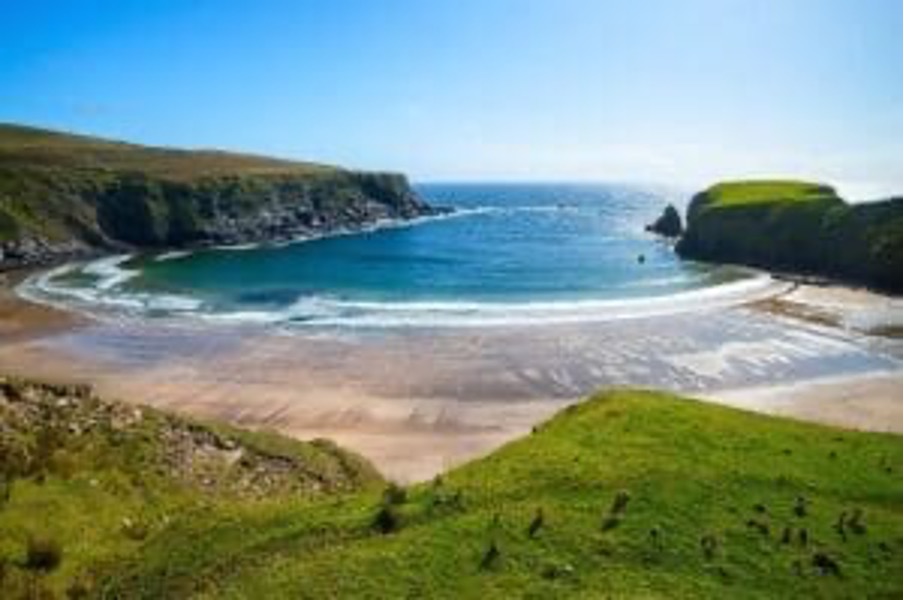
A steep staircase leads down to the horseshoe-shaped bay, where golden sand meets remarkably clear Atlantic waters. Sheltered by the surrounding cliffs, it feels secluded despite its growing popularity among photographers and outdoor enthusiasts.
The elevated viewpoint above the beach is worth the visit alone, offering one of the finest coastal panoramas in County Donegal. Whether you’re planning a picnic, a peaceful walk or simply want to admire the scenery, Silver Strand is a place that lingers long after you’ve left.
Go Wild Tip: Visit outside the busiest summer weekends for a quieter experience and some of the best light for photography.
12. Step Back in Time at Clifden Castle, County Galway
Just outside the vibrant town of Clifden stands the romantic ruin of Clifden Castle, a reminder of Connemara’s rich history.
Built in the early nineteenth century by local landowner John D’Arcy, the Gothic Revival castle now sits peacefully overlooking the surrounding countryside and coastline. Although the building has long since fallen into ruin, the short walk to the castle is one of Connemara’s hidden pleasures.
Passing fields, stone walls and grazing sheep, the route offers a glimpse of rural Ireland at its most tranquil. Combined with nearby beaches and the lively cafés of Clifden, it’s an ideal stop on a journey through western Galway.
Go Wild Tip: Pair your visit with a drive along the nearby Sky Road for some of the most spectacular coastal views in Connemara.
Planning Your Wild Atlantic Way Adventure
One of the joys of the Wild Atlantic Way is that no two road trips are ever the same. Some travellers spend a week exploring a single county, while others dedicate several weeks to driving the entire route from Donegal to Cork.
If you’re hoping to visit several of the destinations featured here, allow at least 10 to 14 days. This gives you time to enjoy each location without feeling rushed and leaves room for the unexpected discoveries that often become the highlight of any Irish road trip.
Remember that Atlantic weather can change quickly, so pack waterproof clothing, sturdy footwear and be prepared for four seasons in a single day.
When Is the Best Time to Visit?
The Wild Atlantic Way can be enjoyed year-round, but each season offers something different:
- Spring (March to May): Wildflowers bloom, roads are quieter and days begin to lengthen.
- Summer (June to August): The warmest weather and longest daylight hours, though popular areas can be busy.
- Autumn (September to October): Crisp air, vibrant colours and fewer crowds make this a favourite season for photographers.
- Winter (November to February): Dramatic Atlantic storms create unforgettable coastal scenery, particularly around Donegal, Sligo and Clare.
Frequently Asked Questions
What are the best hidden gems along the Wild Atlantic Way?
Some of the most rewarding lesser-known destinations include the Rosguill Peninsula, Dursey Island, Inishbofin, Knockanroe Forest, Beara Peninsula and Silver Strand in Donegal.
How long does it take to drive the Wild Atlantic Way?
Driving the full route without stopping takes around 40 hours, but most visitors allow between 10 days and three weeks to experience it properly.
Are these destinations suitable for families?
Yes. Many of the featured locations offer beaches, easy walking trails and family-friendly attractions. Always check local conditions before visiting coastal areas or remote sites.
Is the Wild Atlantic Way suitable for campervans?
Absolutely. The route is popular with campervan travellers, although some narrow roads require extra care. Using official campsites and overnight parking areas helps protect these beautiful landscapes.
Final Thoughts
The Wild Atlantic Way is celebrated for its world-famous landmarks, but some of its greatest treasures lie just beyond the busiest stops. From remote islands and secluded beaches to dramatic peninsulas and ancient landscapes, these hidden gems reveal an Ireland that rewards curiosity and slower travel.
Whether you’re planning your first Atlantic road trip or returning to discover somewhere new, taking the scenic detours often leads to the most memorable experiences. So leave room in your itinerary, follow the quieter roads and embrace the unexpected—because that’s where the true magic of Ireland’s west coast is often found.