Visit County Cork
Things to Do in Cork: The Ultimate Guide to Ireland’s Rebel County
County Cork is a place that refuses to be defined by a single experience.
Ireland’s largest county is home to a vibrant riverside city, colourful fishing villages, ancient castles, dramatic Atlantic headlands and one of the country’s most celebrated food scenes. From browsing artisan stalls in the historic English Market to standing at the edge of Mizen Head, every journey through Cork reveals another reason to linger a little longer.
Known proudly as the Rebel County, Cork has a character all of its own. Independent in spirit, rich in history and renowned for its warm welcome, it offers visitors an irresistible blend of culture, heritage and natural beauty.
Whether you’re planning a weekend city break, a Wild Atlantic Way adventure or a leisurely tour of Ireland’s south coast, County Cork delivers unforgettable experiences at every turn.
This is more than Ireland’s largest county—it’s one of its most rewarding.
Enjoy Things to Do in Cork
Quick Facts
| Location | South-West Ireland |
| Province | Munster |
| Best Time to Visit | May to September |
| Ideal Stay | 4–6 days |
| Perfect For | Food lovers, history enthusiasts, road trips, coastal adventures and families |
| Wild Atlantic Way | Begins (or ends) at Kinsale, depending on your direction of travel |
| Nearest Airport | Cork Airport |
| Famous For | Blarney Castle, the English Market, Kinsale, Cobh, West Cork and outstanding food |
Why Visit County Cork?
Cork combines everything visitors love about Ireland into one remarkable destination.
Its energetic city centre is filled with independent cafés, galleries and historic landmarks. Beyond the city, picturesque harbour towns, rugged peninsulas and peaceful islands showcase some of the country’s finest coastal scenery.
Food is woven into everyday life here. Fresh seafood arrives daily from the Atlantic, artisan producers create world-class cheeses and spirits, and farmers’ markets celebrate the county’s rich agricultural heritage.
Whether you’re exploring medieval streets, sailing across a natural harbour or enjoying a traditional music session in a village pub, Cork offers experiences that feel authentic rather than staged.
Go Wild Tip: Don’t rush through Cork on your way to Kerry. Give yourself several days to explore the county—you’ll quickly discover why so many visitors return.
Explore Cork City
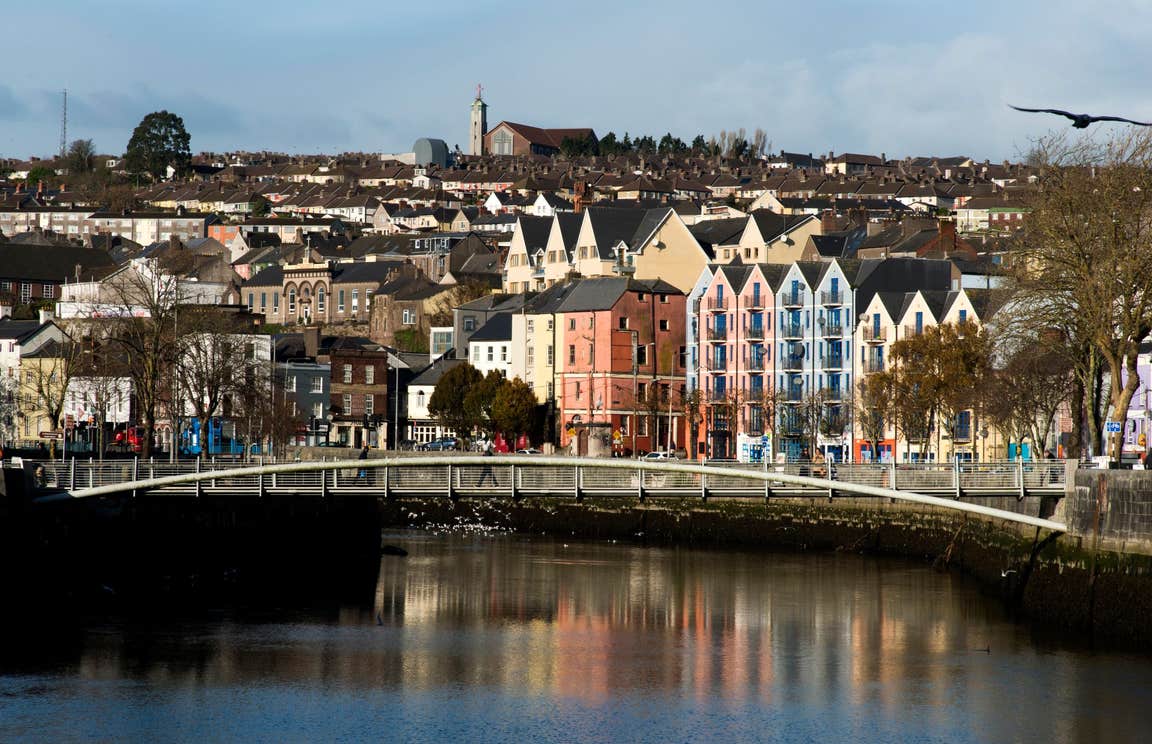
Built around the River Lee, Cork City has a distinctive character that sets it apart from Ireland’s other cities.
Compact enough to explore on foot yet packed with attractions, it blends historic streets with contemporary culture, lively shopping districts and an excellent food scene.
Spend time wandering along St Patrick’s Street, cross the city’s many bridges and discover hidden lanes filled with independent cafés, bookshops and boutiques.
It’s a city that rewards curiosity.
The English Market
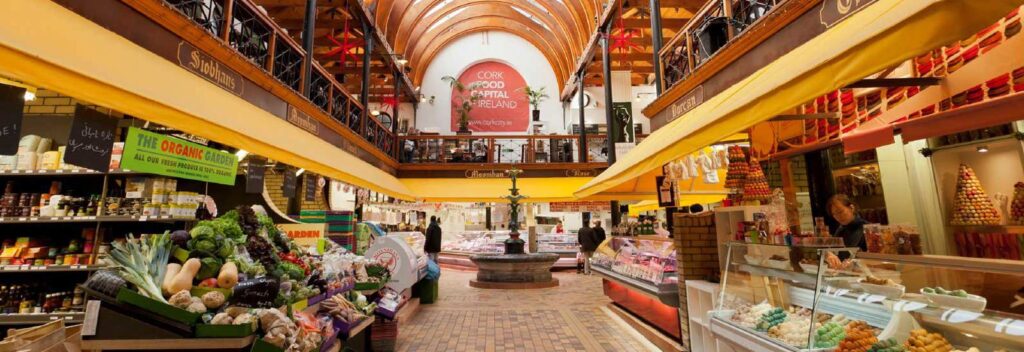
One of Cork’s greatest treasures is the English Market, a covered food market that has been serving the city since 1788.
Stepping inside is a feast for the senses. Artisan cheeses, freshly baked bread, locally caught seafood, handcrafted chocolates and traditional Irish produce fill the historic market hall, while friendly traders are always happy to share recommendations.
For generations, the market has been at the heart of Cork’s culinary identity and remains an essential stop for anyone interested in Irish food.
Whether you’re picking up picnic supplies for a coastal drive or simply soaking up the atmosphere, the English Market is a true celebration of local produce.
Go Wild Tip: Visit in the morning when the market is at its liveliest and many of the freshest seasonal products are on display.
Admire St Fin Barre’s Cathedral
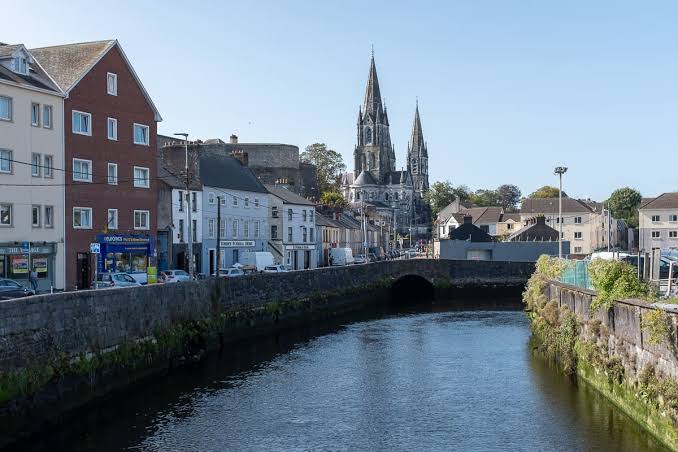
With its soaring spires and intricate stone carvings, St Fin Barre’s Cathedral is one of Ireland’s finest examples of Gothic Revival architecture.
Designed by Victorian architect William Burges, the cathedral stands on a site associated with Cork’s patron saint for more than a thousand years.
Inside, colourful stained-glass windows, ornate mosaics and beautifully crafted interiors create a peaceful space for reflection, while outside the cathedral’s impressive façade is one of Cork City’s most photographed landmarks.
Ring the Famous Shandon Bells
Few experiences are as uniquely Cork as climbing the tower of St Anne’s Church, Shandon.
Visitors can ring the historic Shandon Bells, an enduring symbol of the city, before continuing to the viewing platform for panoramic views across Cork’s rooftops and the River Lee.
The climb is rewarded with one of the best viewpoints in the city and offers a memorable insight into Cork’s history.
Photographer’s Tip: Visit on a clear morning for sweeping views over the city centre and surrounding countryside.
Step Inside Cork City Gaol
History comes vividly to life at Cork City Gaol, one of the city’s most compelling heritage attractions.
Opened in the early nineteenth century, the former prison has been carefully restored and now tells the stories of the men, women and children who were once imprisoned within its walls.
Interactive exhibits, atmospheric cells and engaging displays provide a fascinating glimpse into Victorian Ireland and the country’s social history.
It’s an experience that is both thought-provoking and memorable.
Stroll Along the River Lee
The River Lee is the lifeblood of Cork City.
Take time to wander its riverside walkways, relax in one of the many cafés overlooking the water or simply watch the city unfold from one of its historic bridges.
As evening approaches, the reflections of the city’s lights on the river create a wonderfully relaxed atmosphere and provide the perfect ending to a day of sightseeing.
Did You Know?
County Cork covers more than 7,500 square kilometres, making it the largest county in Ireland. Its diverse landscapes range from vibrant city streets and fertile farmland to rugged Atlantic peninsulas and offshore islands.
Local Secret
While many visitors head straight for the English Market, take a short walk to the historic Coal Quay Market, where local traders have sold fresh produce, clothing and household goods for generations. It offers a glimpse into everyday Cork life away from the main tourist trail.
PART TWO
Castles, Harbours and Stories That Shaped Ireland
Leaving Cork City behind, the landscape begins to change.
Country roads wind through rolling farmland before revealing colourful harbour towns, medieval castles and one of the world’s largest natural harbours. Here, history isn’t confined to museums—it lives in ancient stone walls, bustling fishing ports and communities that have welcomed travellers for centuries.
This is the Cork many visitors fall in love with.
Discover Blarney Castle
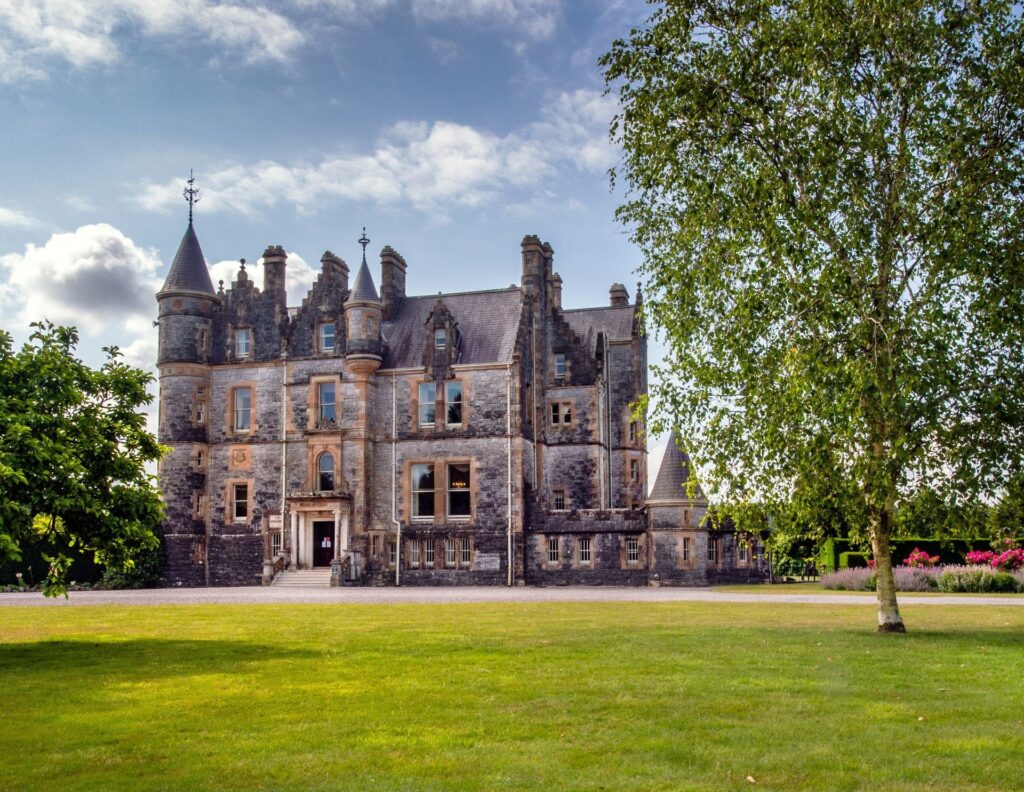
Perhaps no attraction in County Cork is more famous than Blarney Castle.
Built nearly six centuries ago, this impressive medieval stronghold attracts visitors from around the world who come to explore its towers, gardens and, of course, the legendary Blarney Stone.
Surrounded by peaceful woodland walks, hidden caves and beautifully landscaped gardens, Blarney Castle is much more than a quick photo stop. Allow plenty of time to wander the estate, discover the Poison Garden, cross the wishing steps and enjoy the tranquillity of the grounds.
For those willing to climb the castle’s narrow stone staircase, the reward is the opportunity to kiss the Blarney Stone—an experience said to bestow the “gift of the gab”, or eloquence.
Whether you believe the legend or not, the panoramic views from the battlements are reason enough to make the climb.
Go Wild Tip: Arrive when the castle opens to enjoy the gardens before they become busy, particularly during the summer months.
The Legend of the Blarney Stone
For generations, visitors have leaned backwards high above the castle walls to kiss one of Ireland’s most famous stones.
According to local legend, those who kiss the stone are blessed with the gift of persuasive speech.
The tradition has become one of Ireland’s best-known travel experiences, attracting everyone from world leaders and writers to actors and musicians.
Even if you choose to keep your feet firmly on the ground, the history and atmosphere of Blarney Castle make it one of the country’s most rewarding heritage sites.
Explore the Colourful Streets of Kinsale
Few towns capture the charm of County Cork quite like Kinsale.
Overlooking a picturesque natural harbour, its brightly painted buildings, independent boutiques, art galleries and award-winning restaurants create an atmosphere that’s both lively and relaxed.
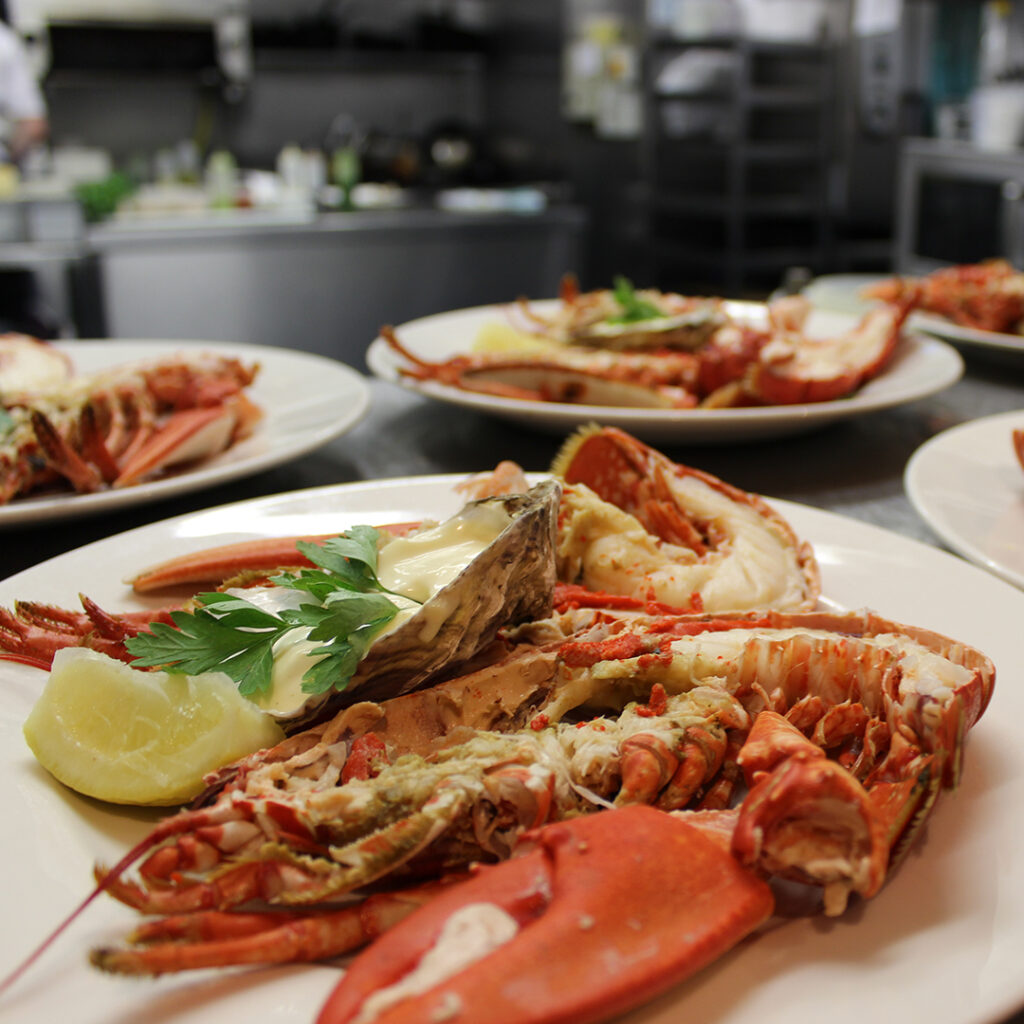
Often described as Ireland’s gourmet capital, Kinsale has built an international reputation for exceptional food, with menus showcasing Atlantic seafood, locally reared produce and creative contemporary Irish cooking.
Spend time wandering the narrow streets, browse local shops or simply enjoy watching fishing boats drift across the harbour from one of the many waterfront cafés.
It’s the kind of place where an afternoon can easily turn into an evening.
Go Wild Tip: Stay overnight if you can. Kinsale has a completely different atmosphere after day visitors leave, and its restaurants and traditional pubs come alive in the evening.
Step Back in Time at Charles Fort
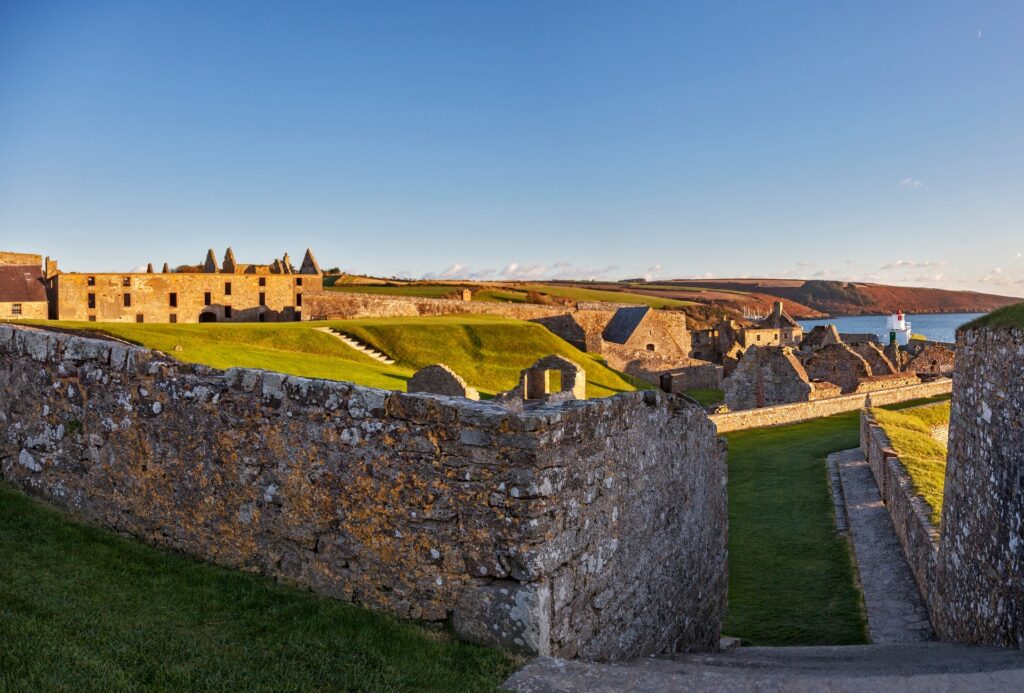
Standing guard over the entrance to Kinsale Harbour, Charles Fort is one of the finest surviving seventeenth-century star-shaped forts in Europe.
Its impressive stone ramparts offer spectacular views across the harbour while exhibitions inside explain the fort’s strategic importance through centuries of Irish history.
Whether you’re interested in military architecture or simply looking for one of Cork’s best viewpoints, Charles Fort is well worth adding to your itinerary.
Photographer’s Tip: Late afternoon sunlight beautifully illuminates the fort’s walls while creating stunning reflections across Kinsale Harbour.
Visit the Historic Port of Cobh
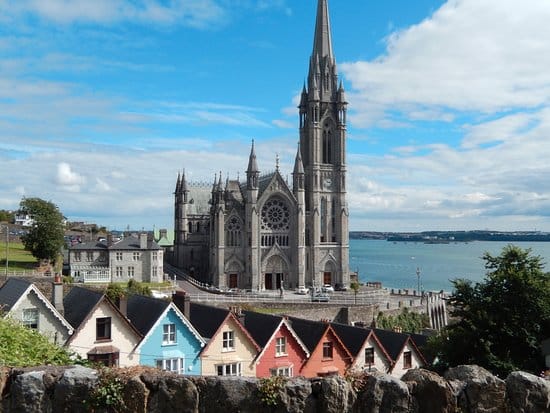
Rising above one of the world’s largest natural harbours, Cobh is one of Ireland’s most recognisable towns.
Its colourful waterfront, steep streets and magnificent St Colman’s Cathedral create one of the country’s most photographed skylines.
Beyond its beauty, Cobh holds an important place in Irish history. It was the final port of call for the RMS Titanic before the ship embarked on its ill-fated maiden voyage across the Atlantic in 1912.
Today, visitors can explore museums, stroll along the promenade and learn about the millions of emigrants who departed from these quays in search of new lives overseas.
The town’s maritime heritage is woven into every corner.
Experience Spike Island
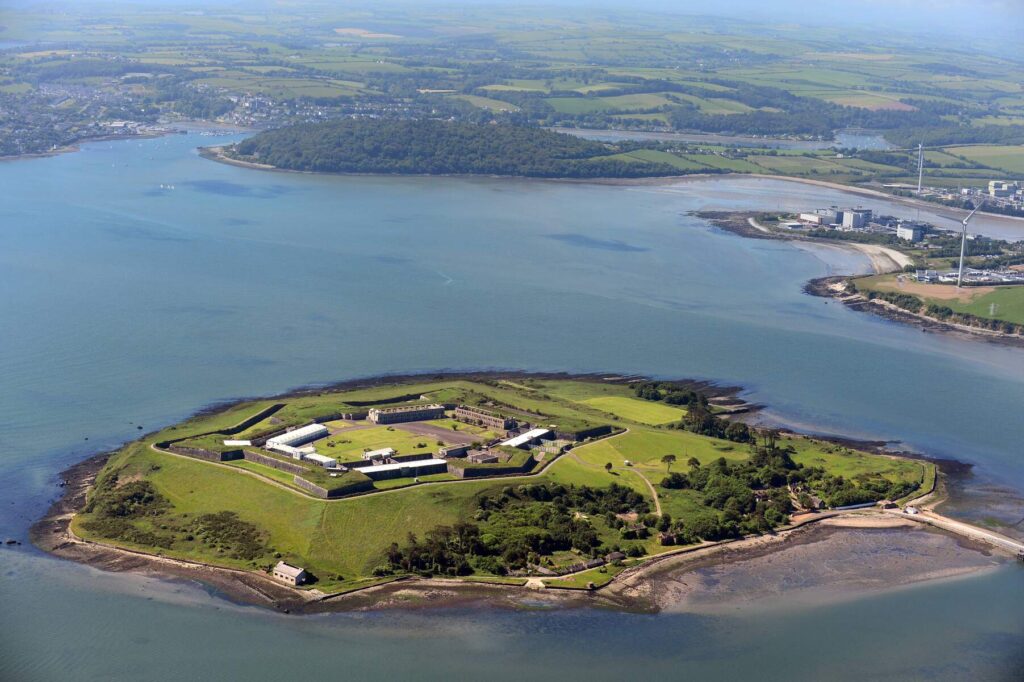
Just a short ferry journey from Cobh lies Spike Island, an extraordinary destination often described as Ireland’s “Alcatraz”.
Over the centuries, the island has served as a monastery, military fortress, prison and island community, with each chapter leaving its mark on this remarkable place.
Guided tours bring its fascinating past to life, while panoramic views across Cork Harbour remind visitors why this strategic location has played such an important role in Irish history.
Allow several hours to fully appreciate everything Spike Island has to offer.
Raise a Glass at the Midleton Distillery Experience
Whiskey has been crafted in East Cork for generations, and the Midleton Distillery Experience tells that story with passion and expertise.
Visitors can explore the history of Irish whiskey-making, see traditional distilling equipment and discover how some of Ireland’s most celebrated whiskeys are produced.
Guided experiences and tastings offer insight into a craft that has become an important part of Ireland’s cultural heritage.
Whether you’re a whiskey enthusiast or simply curious about one of Ireland’s most famous exports, Midleton is a rewarding stop.
Enjoy a Day at Fota Wildlife Park
For families, Fota Wildlife Park is one of County Cork’s most popular attractions.
Unlike traditional zoos, many animals roam within large open habitats, creating a more natural environment for species including giraffes, cheetahs, ring-tailed lemurs and Asian lions.
Beautifully landscaped and thoughtfully designed, the park provides an enjoyable and educational day out for visitors of all ages.
It’s easy to spend an entire day exploring its walking trails and wildlife habitats.
Did You Know?
Cork Harbour is one of the largest natural harbours in the world and has played a vital role in Irish trade, naval history and emigration for centuries.
Local Secret
If you’re visiting Cobh, take time to walk up through the quiet residential streets behind the cathedral. The higher you climb, the more spectacular the views become, with colourful terraces cascading towards the harbour below.
Food Stop
While exploring East Cork, make time to sample local seafood, farmhouse cheeses and artisan produce in cafés and restaurants that proudly showcase ingredients sourced from nearby farms and fishing boats.
The journey through Cork is as much about flavour as it is about scenery.
PART THREE
Wild Atlantic Coastlines, Hidden Peninsulas and the Flavours of West Cork
If Cork City tells the story of the county’s rich history, then West Cork reveals its untamed soul.
Beyond the bustling streets and historic harbours, the landscape opens into a world of rugged peninsulas, Atlantic islands, peaceful villages and winding coastal roads that seem made for slow travel. Here, every journey becomes part of the adventure, whether you’re standing on Ireland’s most south-westerly point, discovering secluded beaches or enjoying freshly landed seafood overlooking a working harbour.
This is the Cork that keeps visitors coming back.
Stand at the Edge of Ireland at Mizen Head
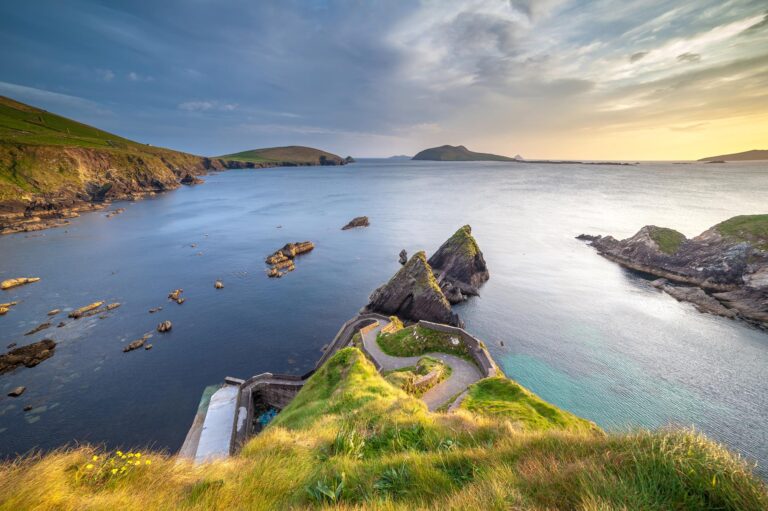
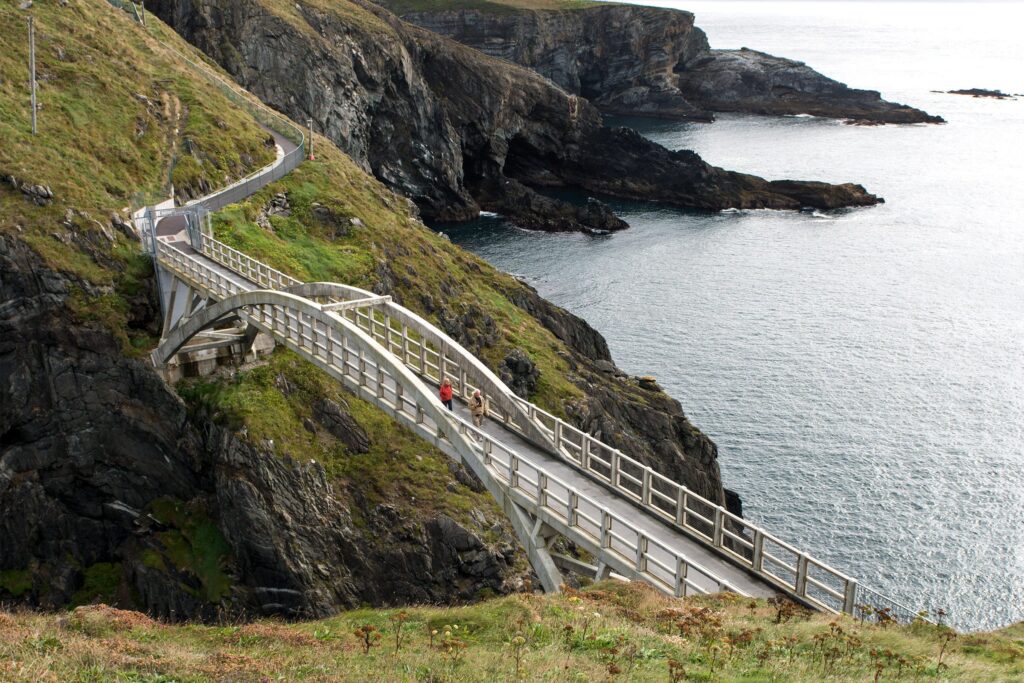
At the far south-western tip of the Mizen Peninsula lies one of Ireland’s most spectacular coastal attractions.
Mizen Head is where towering cliffs meet the relentless Atlantic, creating a dramatic landscape shaped by centuries of wind and waves. Crossing the famous arched bridge to the restored Signal Station is an experience in itself, with crashing seas far below and breathtaking views stretching across the ocean.
Inside the visitor centre, interactive displays tell the story of lighthouse keepers, maritime rescue missions and the many ships that navigated these dangerous waters.
Whether you’re fascinated by coastal history or simply seeking unforgettable scenery, Mizen Head is one of County Cork’s defining experiences.
Go Wild Tip: Visit on a clear day for far-reaching ocean views, but don’t dismiss dramatic weather—stormy seas can make the Atlantic coastline even more spectacular.
Explore the Beara Peninsula
Less visited than neighbouring Kerry, the Beara Peninsula remains one of Ireland’s best-kept secrets.
Its winding roads pass colourful villages, quiet harbours, ancient stone circles and dramatic mountain passes before reaching the unforgettable Healy Pass, widely regarded as one of Ireland’s finest scenic drives.
Here, you’ll discover a slower pace of life where traditional farming, fishing and craftsmanship continue much as they have for generations.
For walkers, cyclists and photographers, Beara offers endless opportunities to explore landscapes that still feel wonderfully untouched.
Photographer’s Tip: Sunrise and sunset transform the mountains of the Healy Pass with rich golden light, making it one of Ireland’s most rewarding locations for landscape photography.
Discover the Beauty of Sheep’s Head Peninsula
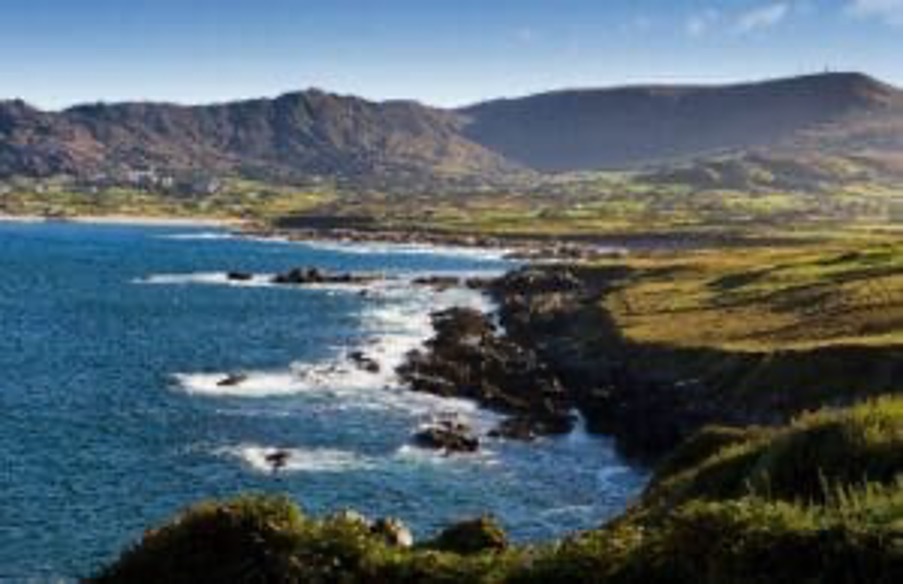
If you’re looking to escape the crowds, the Sheep’s Head Peninsula is hard to beat.
Stretching into the Atlantic between Bantry Bay and Dunmanus Bay, this peaceful peninsula is renowned for its scenic walking trails, quiet roads and abundant wildlife.
The Sheep’s Head Way follows dramatic cliffs and rolling hills before reaching the distinctive lighthouse at the peninsula’s tip, where uninterrupted ocean views remind you just how wild this coastline can be.
It’s a place that rewards those willing to slow down and simply enjoy the journey.
Find Tranquillity at Gougane Barra
Hidden among forested hills, Gougane Barra is one of Ireland’s most peaceful destinations.
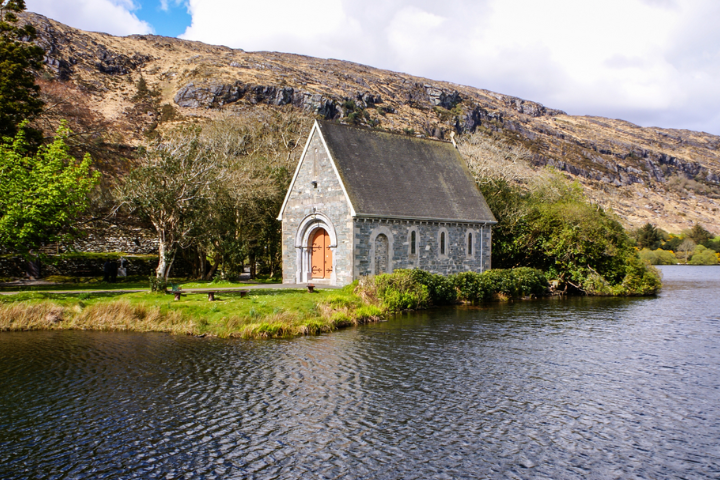
At the heart of the valley sits the tiny St Finbarr’s Oratory, perched on an island in a tranquil lake and surrounded by mountains. It’s one of the country’s most photographed scenes—and with good reason.
The surrounding Gougane Barra Forest Park offers a network of walking trails through native woodland, waterfalls and scenic viewpoints, making it an ideal stop for anyone seeking a quieter side of Cork.
Local Secret: Visit early in the morning when mist often drifts across the lake, creating an atmosphere that’s nothing short of magical.
Step Inside Bantry House
Overlooking the sheltered waters of Bantry Bay, Bantry House is one of Ireland’s finest historic homes.
Its elegant rooms, impressive art collection and beautifully restored Italian-style gardens provide a glimpse into centuries of Irish history. From the terrace, sweeping views across the bay make it easy to understand why generations of visitors have fallen in love with this corner of West Cork.
Allow time to enjoy the tearoom before exploring the gardens and woodland walks.
Visit Baltimore and the Islands
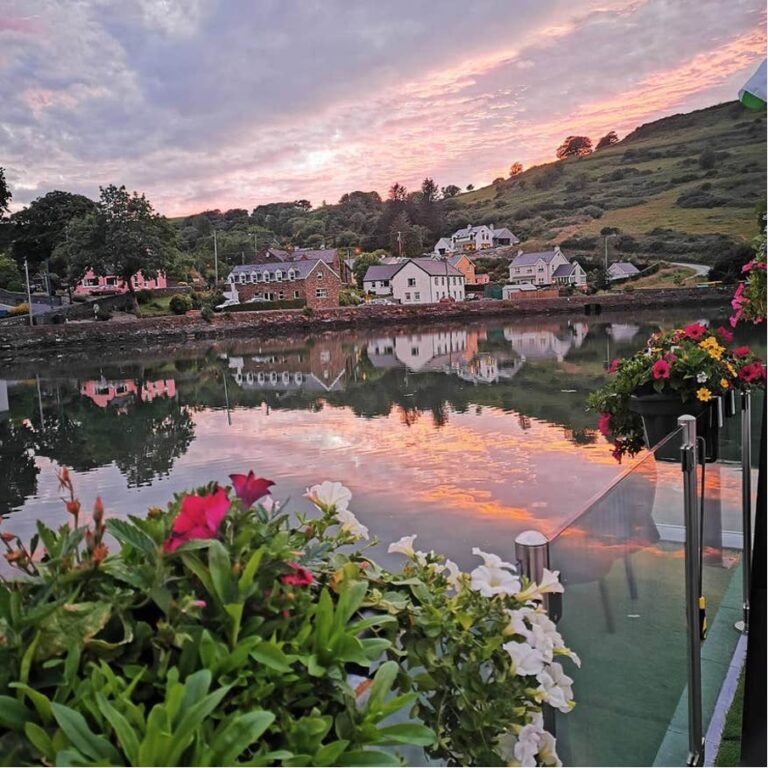
The picturesque harbour village of Baltimore has long been a gateway to Cork’s offshore islands.
Fishing boats share the harbour with sailing yachts, while ferries depart for Sherkin Island and Cape Clear Island, where quiet beaches, walking trails and rich birdlife await.
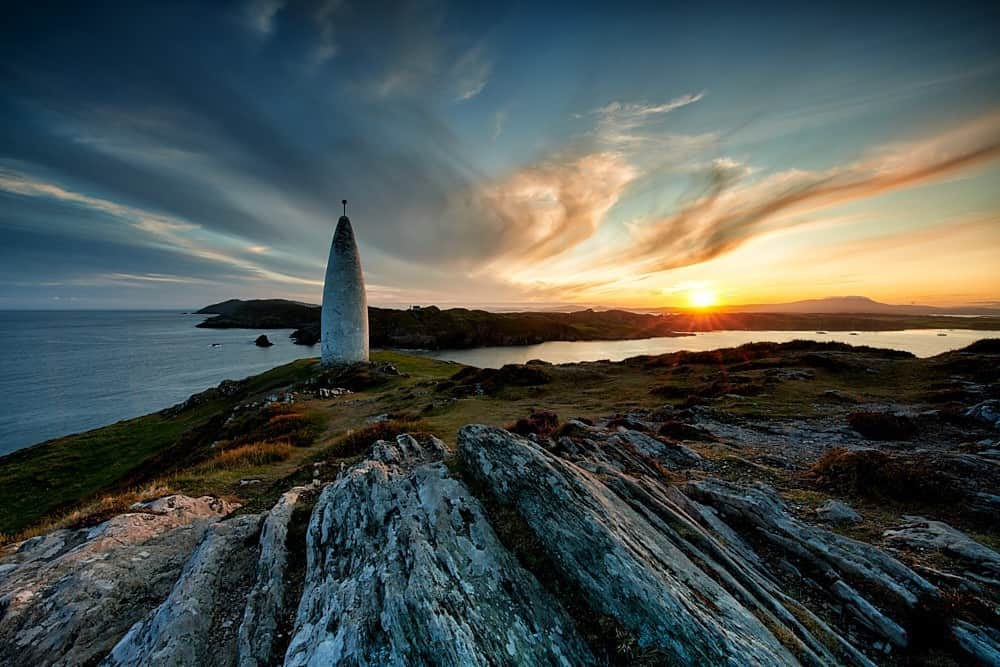
A short walk above the village leads to the striking white Baltimore Beacon, a landmark that offers panoramic views across Roaringwater Bay.
For anyone hoping to experience island life without travelling too far from the mainland, Baltimore is the perfect starting point.
Discover Lough Hyne
Just outside Skibbereen lies one of Ireland’s most remarkable natural environments.
Lough Hyne is Europe’s first designated marine nature reserve, connected to the Atlantic by a narrow tidal channel. Its unique ecosystem supports an extraordinary variety of marine life, making it a favourite destination for kayakers, wildlife enthusiasts and nature lovers.
Climb to the nearby viewpoint at sunset and you’ll be rewarded with one of West Cork’s finest panoramas.
Relax on West Cork’s Beaches
West Cork’s beaches are as diverse as the coastline itself.
Inchydoney Beach
Near Clonakilty, Inchydoney Beach is famous for its soft golden sands, family-friendly atmosphere and excellent surfing conditions.
Barleycove Beach
Created by a tsunami generated after the 1755 Lisbon earthquake, Barleycove Beach is one of Ireland’s most remarkable stretches of coastline, backed by extensive dune systems and crystal-clear waters.
Garretstown Beach
Popular with surfers and walkers alike, Garretstown Beach combines rolling Atlantic waves with beautiful coastal scenery just a short drive from Kinsale.
Go Wild Tip: West Cork beaches are beautiful throughout the year. Even in winter, they offer spectacular walks and dramatic Atlantic views.
Savour Cork’s Food Culture
If there’s one thing Cork does exceptionally well, it’s food.
Often described as Ireland’s food capital, the county has built an international reputation for celebrating local producers, seasonal ingredients and traditional craftsmanship.
From freshly landed seafood in Kinsale and Union Hall to artisan cheeses, smoked fish, farmhouse ice cream and handcrafted chocolates, every meal reflects the landscapes that surround it.
Farmers’ markets, independent cafés and family-run restaurants continue to champion local ingredients, making Cork one of the country’s most exciting culinary destinations.
Go Wild Tip: If you’re visiting at the weekend, look out for local farmers’ markets where you’ll find everything from artisan breads and preserves to freshly roasted coffee and handmade cheeses.
Traditional Music and Festivals
As evening falls, Cork’s pubs and music venues come alive.
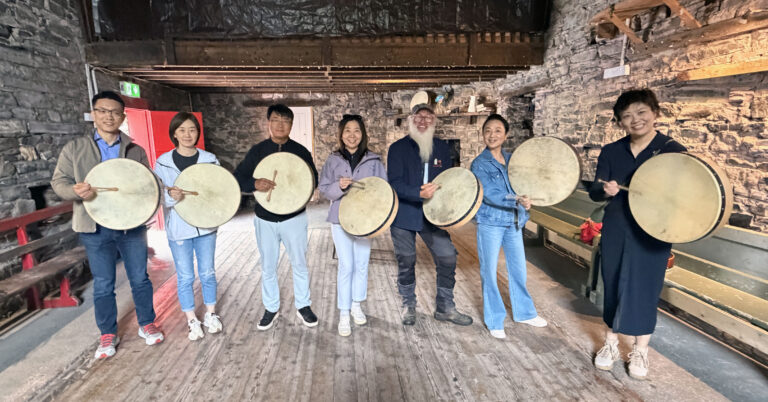
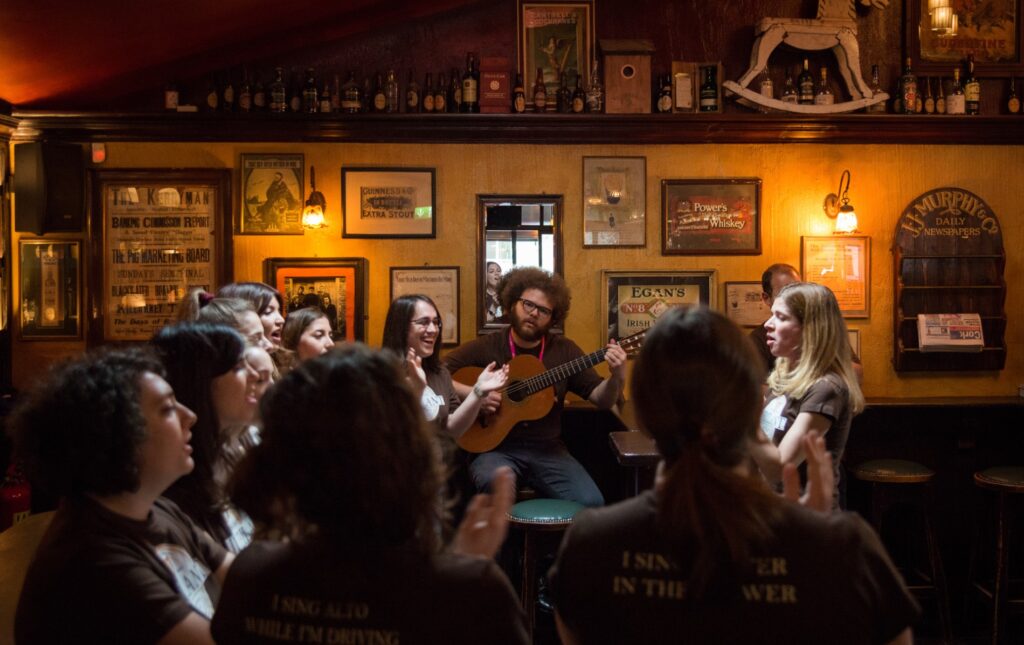
Traditional Irish music sessions remain an important part of life across the county, particularly in West Cork’s villages and harbour towns, where musicians gather to share tunes that have been passed down through generations.
Throughout the year, festivals celebrating food, literature, sailing, jazz and folk music bring communities together and showcase the creativity that has long defined the Rebel County.
Wherever your journey takes you, you’ll rarely be far from live music and a warm welcome.
Did You Know?
County Cork has more than 1,000 kilometres of coastline, including islands, hidden coves, dramatic cliffs and some of Ireland’s finest beaches. (As with all coastline measurements, figures can vary depending on the method used. Verify the final figure against an official source before publication.)
Photographer’s Route
For an unforgettable day exploring West Cork, follow this scenic route:
- Kinsale (early morning)
- Inchydoney Beach
- Clonakilty
- Lough Hyne
- Baltimore Beacon
- Mizen Head
- Barleycove Beach
- Sunset at Brow Head
This route combines colourful towns, dramatic coastlines and some of the best viewpoints along the Wild Atlantic Way.
PART FOUR
Planning Your Visit to County Cork
One of Cork’s greatest strengths is its diversity.
In a single day, you can browse one of Europe’s oldest covered food markets, explore a medieval castle, sail across a historic harbour and watch the sun set over the Atlantic Ocean.
Whether you’re planning a weekend city break or a week-long road trip along Ireland’s spectacular south coast, Cork offers experiences that reward curiosity and encourage slow travel.
The biggest mistake visitors make is trying to see too much.
Leave room for unexpected discoveries—you’ll often find that the places you remember most weren’t on your original itinerary.
How Many Days Should You Spend in Cork?
Weekend Escape (2 Days)
Perfect for first-time visitors.
Highlights include:
- Cork City
- English Market
- St Fin Barre’s Cathedral
- Shandon Bells
- Blarney Castle
Finish the evening with dinner in one of Cork’s excellent restaurants before enjoying live music in a traditional pub.
Four-Day Adventure
Ideal for exploring the county’s highlights.
Suggested itinerary:
- Cork City
- Blarney Castle
- Kinsale
- Charles Fort
- Cobh
- Spike Island
- Midleton Distillery Experience
- Fota Wildlife Park
This itinerary combines history, food, culture and family-friendly attractions.
One Week in Cork
With seven days, you’ll experience the very best of Ireland’s largest county.
Include:
- Mizen Head
- Beara Peninsula
- Sheep’s Head Peninsula
- Gougane Barra
- Bantry House
- Baltimore
- Lough Hyne
- West Cork beaches
- Scenic coastal drives
- Traditional music sessions
Go Wild Tip: Don’t try to tick every attraction off a list. Cork is best enjoyed at a relaxed pace, allowing time to stop at viewpoints, browse local shops and linger over long lunches featuring local produce.
Best Time to Visit
| Season | Why Visit |
| Spring (March–May) | Gardens bloom, walking conditions are excellent and visitor numbers remain relatively low. |
| Summer (June–August) | Long daylight hours, festivals, boat trips and the liveliest atmosphere. |
| Autumn (September–October) | Beautiful coastal light, food festivals and fewer crowds. |
| Winter (November–February) | Cosy pubs, festive markets and dramatic Atlantic scenery. |
Every season brings something different, making Cork an appealing destination throughout the year.
Getting Around
While Cork City is easy to explore on foot, the wider county is best discovered by car.
Driving allows you to reach remote beaches, hidden peninsulas and picturesque villages that are difficult to access by public transport.
Roads along the Wild Atlantic Way can be narrow and winding, so allow plenty of time between destinations and enjoy the journey rather than rushing.
Family-Friendly Cork
County Cork offers activities for all ages.
Popular family attractions include:
Many attractions also offer cafés, picnic areas and visitor facilities that make family travel straightforward.
https://www.discoverireland.ie/cork?utm_source=chatgpt.com
Outdoor Adventures
For active travellers, Cork is a natural playground.
Popular activities include:
- Hiking
- Surfing
- Sea kayaking
- Cycling
- Whale watching
- Birdwatching
- Coastal walks
- Sailing
- Deep-sea angling
- Photography
- Cork
Whether you’re climbing sea cliffs or paddling along the coastline, Cork rewards those who enjoy the outdoors.
Frequently Asked Questions
What is Cork best known for?
County Cork is known for its vibrant city, the historic English Market, Blarney Castle, Kinsale, Cobh, West Cork’s spectacular coastline and its reputation as Ireland’s culinary capital.
Is Cork worth visiting?
Absolutely.
Cork combines culture, history, outstanding food, dramatic coastal scenery and welcoming towns, making it one of Ireland’s most rewarding destinations.
How many days should I spend in Cork?
A long weekend is enough to experience Cork City and nearby attractions, while five to seven days allows you to explore West Cork, its peninsulas, beaches and harbour towns at a comfortable pace.
When is the best time to visit Cork?
Late spring through early autumn offers the best conditions for sightseeing, walking and coastal adventures, although festivals and cosy pubs make Cork an enjoyable destination year-round.
Can I drive the Wild Atlantic Way through Cork?
Yes.
County Cork forms an important section of the Wild Atlantic Way, with scenic routes linking Kinsale, Clonakilty, Baltimore, Mizen Head, Sheep’s Head and the Beara Peninsula.
Why Cork Should Be on Every Traveller’s Irish Bucket List
Few places in Ireland offer such remarkable variety.
One moment you’re wandering through centuries of history in Cork City, the next you’re standing on windswept Atlantic cliffs, enjoying seafood landed only hours earlier or listening to traditional music echo through a harbour-side pub.
Cork invites you to slow down.
To explore.
To taste.
To discover.
Whether it’s your first visit or your fifth, the Rebel County has a way of revealing something new every time.
For travellers seeking authentic Ireland, Cork isn’t simply a destination.
It’s an experience.
- Visit Cork
- Cork travel guide
- County Cork attractions
- Cork City
- Wild Atlantic Way Cork
- West Cork
- Blarney Castle
- Kinsale
- Cobh
- Mizen Head
- Check out other tourism links below